Select your climate zone What is my climate zone?

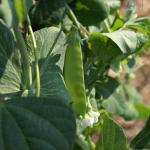
Growing Snow Peas, also Sugar Peas, Mangetout, Chinese Peas

(Pisum sativum var. macrocarpon)

Jan Feb Mar Apr May Jun Jul Aug Sep Oct Nov Dec
      P P P P P P P    

(Best months for planting Snow Peas in Australia - cool/mountain regions)

P = Sow direct in garden where they are to grow.


  • Easy to grow.
  • Harvest in 12-14 weeks.
  • Sow in garden. Sow seed at a depth approximately three times the diameter of the seed.
  • Best planted at soil temperatures between 8°C and 20°C.
  • Space plants: 8-10cm

They are similar to garden peas but have a softer pod .

Snow peas are best grown in cooler seasons.They need some support when growing, tree prunings with lots of small twigs are a cheap and handy source. Or else strings between posts or wire netting. the peas need tying in the early stages, until they start producing tendrils and clinging to the support.

Will not grow well in hot weather. Protect seeds from birds and mice. Pick early and often before the pods become tough.

Start in pots in frost prone areas.

Culinary hints - cooking and eating Snow Peas

Cook whole or eat raw in salads

Your comments and tips

13 Jul 10 Antechinus (Australia - temperate climate)
Plants can't get nutrients from the air (except carbon, which isn't really a 'nutrient' because it's essential from any growth). They all get nutrients from the soil by some method. Peas and other legumes (plus wattles) have symbiotic bacteria in their roots that 'fix' nitrogen, meaning peas can get at and concentrate soil nitrogen much more efficiently than other types of plants. This means they don't need as much fertiliser as other vegies do and are good to dig into the soil to concentrate plant-available nitrogen for future crops. I assume that they're still pretty hungry for other nutrients though - so a bit of fertiliser won't go astray.
29 Jun 10 Natalie (Australia - sub-tropical climate)
pretty sure peas get most of their nutrients from the air. they don't like heavily composted ground I believe. I wouldn't use commercial fert. but some worm juice might be okay. avoid watering leaves. adding potash to soil before sowing is good as well.
28 Jun 10 Jane (Australia - temperate climate)
When growing snow peas do you need to fertilise them?
07 Jun 10 mick (Australia - cool/mountain climate)
how long do snow peas take to grow?
30 Jun 10 Natalie (Australia - sub-tropical climate)
12-14 weeks
30 May 10 Heyden (Australia - cool/mountain climate)
Why do my organic snowpeas have tiny brown spots all over the peas and flowers, they also seem to be stunted a little? How can i fix this problem organically?
22 May 10 Jessica (Australia - cool/mountain climate)
Hi, I just recently moved into a house with an established vegie garden and there are snow peas in there. I was wondering whether to remove them now and sow next year or keep them for a second year as they are? thanks.
23 May 10 (Australia - cool/mountain climate)
Snow peas should grow well through the winter so if they are fairly young plants then I would keep them. If they've already finished podding then rip them out.
26 May 10 Jessica (Australia - cool/mountain climate)
Thanks for the tip! The plants have finished poddong so I'm going to get rid of them. Is there anything I can plant to make use of the trelise that is still there?
27 May 10 (Australia - cool/mountain climate)
I know it's not ideal to plant the same thing in the same spot repeatedly because of pests building up in the soil, but you could put in some more snowpeas for this season, maybe digging in a bit of compost first.
1 - 10 of 29 comments Next page >

See comments for all plants

Post a question, comment or tip about Snow Peas


Where are you?


All comments are reviewed before displaying on the site, so your posting may not appear immediately

Home | Vegetables and herbs to plant | Climate zones | About Gardenate | Contact us

This planting guide is a general reference intended for home gardeners. We recommend that you take into account your local conditions in making planting decisions. Gardenate is not a farming or commercial advisory service. For specific advice, please contact your local plant suppliers, gardening groups, or agricultural department. The information on this site is presented in good faith, but we take no responsibility as to the accuracy of the information provided.

Site design and development by Hutchinson Software