Growing Parsnip
Pastinaca sativa : Apiaceae / the umbelliferae family
| Jan | Feb | Mar | Apr | May | Jun | Jul | Aug | Sep | Oct | Nov | Dec |
|---|
Not recommended for growing in USA - Zone 5a regions
- Sow in garden. Sow seed at a depth approximately three times the diameter of the seed. Best planted at soil temperatures between 43°F and 70°F.
- Space plants: 3 - 4 inches apart
- Harvest in 17-20 weeks. Best flavour if harvested after a frost..
- Compatible with (can grow beside): Swiss Chard (Silverbeet), Capsicum, Peas, Potatoes, Beans, Radishes, Garlic
- Avoid growing close to: Carrot, Celery, Brassicas
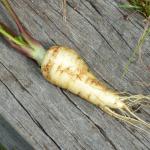
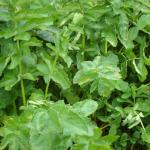
Best grown in deep sandy, loamy soil. Use fresh seed and soak seed overnight then, after planting, keep seeds moist until seed germinate. Similar to starting carrots, maybe cover with a wooden plank or mulch until seeds germinate. They will completely fail if the seed dries out after planting and it's not unusual to have an entire packet fail. Difficult to grow in summer as the seed dries out fast and won't germinate. Leave in the ground until after frost or at least a couple of weeks of really cold weather. The cold results in the starch in the roots being converted into sugars which give the parsnip its sweet taste. Use a spade to dig the parsnip out of the ground.
Germination rates of parsnip seed are not great so sow about 3 seeds per inch and at a depth of around half an inch. Germination may take up to 20 days. Thin seedlings down so they are about 8 cm (4 in) apart. If you are planting in rows then space the rows about 50 cm (20 in) apart.
Culinary hints - cooking and eating Parsnip
Peel and roast with vegetables or meat. The sweetish flavour of parsnips enhances most other vegetables.

Your comments and tips