Growing Mint, also Garden mint
Mentha spicata : Lamiaceae / the mint family
| Jan | Feb | Mar | Apr | May | Jun | Jul | Aug | Sep | Oct | Nov | Dec |
|---|---|---|---|---|---|---|---|---|---|---|---|
| S | |||||||||||
| T | |||||||||||
| P | P |
(Best months for growing Mint in USA - Zone 5a regions)
- S = Plant undercover in seed trays
- T = Plant out (transplant) seedlings
- P = Sow seed
- Easy to grow. Grow in trays and plant out or start from cuttings. Sow seed at a depth approximately three times the diameter of the seed. Best planted at soil temperatures between 70°F and 75°F.
- Space plants: 12 inches apart
- Harvest in 8-12 weeks. Cut leaves from top with scissors.
- Compatible with (can grow beside): Cabbages, Tomatoes
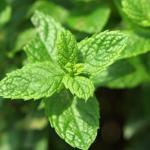
Although mint can be grown from seeds, cuttings are a faster, more reliable option.
Cuttings can be planted directly when danger of frost is past.
Mint can be grown in pots outdoors or indoors.
Mint prefers damp, partly shaded areas and once established will grow for many years. Mint dies down in Winter and sends up new shoots in Spring.
Mint is a rampant grower and will take over a garden bed if not restrained.
One way to contain mint is to use an old bottomless bucket pushed into the ground. The mint won't be able to put its roots out sideways, so will take longer to spread. If grown in a pot, mint needs to be watered regularly to keep it healthy.
Culinary hints - cooking and eating Mint
Mint adds a fresh flavour if chopped and sprinkled over salads. And is traditionally used mixed with vinegar and sugar to make mint sauce for lamb.

Your comments and tips