Growing Celery
Apium sp. : Apiaceae / the umbelliferae family
| Jan | Feb | Mar | Apr | May | Jun | Jul | Aug | Sep | Oct | Nov | Dec |
|---|---|---|---|---|---|---|---|---|---|---|---|
| S | S | ||||||||||
| T | T |
(Best months for growing Celery in USA - Zone 5a regions)
- S = Plant undercover in seed trays
- T = Plant out (transplant) seedlings
- Grow in seed trays, and plant out in 4-6 weeks. Sow seed at a depth approximately three times the diameter of the seed. Best planted at soil temperatures between 54°F and 70°F.
- Space plants: 6 - 12 inches apart
- Harvest in 17-18 weeks.
- Compatible with (can grow beside): Not applicable as celery needs to be close together to encourage blanching.
- Avoid growing close to: Sweetcorn
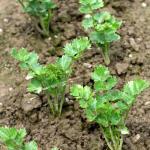
Most varieties improve with blanching but there are some self-blanching varieties available.
To Blanch: plant in trenches 15 - 20 cm (6 - 8 in) deep and 20 cm (8 in) apart. Leave about 40 cm (17 in) between rows. Fill the trenches gradually and keep well watered as the plants grow. The plants can be lifted to use, as needed after about 11 weeks.
Alternatively wrap the plants in sleeves of paper or black plastic.
Celery needs moist fertile soil.
Culinary hints - cooking and eating Celery
Chop and use raw in salad or braised in hot dishes.

Your comments and tips