Growing Angelica
Angelica archangelica : Apiaceae / the umbelliferae family
| Jan | Feb | Mar | Apr | May | Jun | Jul | Aug | Sep | Oct | Nov | Dec |
|---|---|---|---|---|---|---|---|---|---|---|---|
| P |
(Best months for growing Angelica in USA - Zone 5a regions)
- P = Sow seed
- Easy to grow. Sow in garden. Sow seed at a depth approximately three times the diameter of the seed. Best planted at soil temperatures between 50°F and 77°F.
- Space plants: 18 inches apart
- Harvest in approximately 18 months. Angelica archangelica has slightly dull leaves, not shiny..
- Compatible with (can grow beside): Any herbs that like damp, shady areas - mint, lemon balm
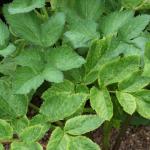
Angelica is a biennial herb-growing the first year and flowering the second. Angelica likes moist, rich soil that is slightly acid, growing best in semi-shade. It can be grown from seeds, but they must be sown within a few weeks otherwise they lose their viability. Angelica will self seed if seed heads are left on the plant. Young plants will die back in winter and will need mulching in frost-prone areas. Then they will grow again in spring and produce flowers.
NOTE: Angelica pachycarpa sold as an ornamental garden plant is not edible. It can be distinguished from Angelica archangelica as it has bright shiny leaves.
Culinary hints - cooking and eating Angelica
The stems can be candied and used to decorate cakes and pastries.
Pick the stems in the second year.

Your comments and tips